UNDER-EYE AREA AND LOWER EYELIDS
What Causes Under-eye Bags?
The appearance described as under-eye bags may not arise solely from a change at the skin surface. Changes over time in the lower eyelid, surrounding soft tissues and the anatomical relationship between the eyelid and cheek may affect the overall appearance.
By Mehti Şalvız
Published:
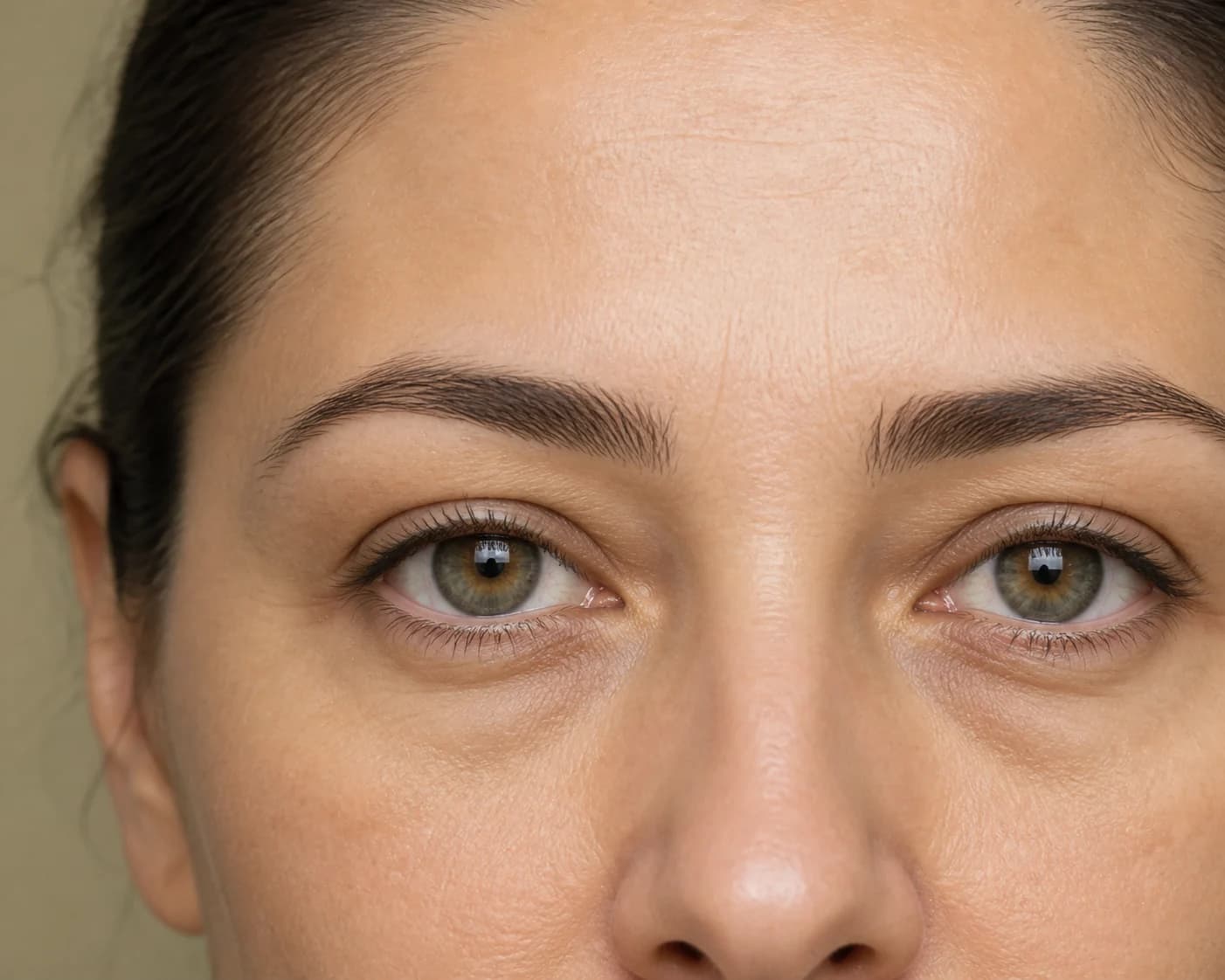
Under-eye bags may become more noticeable with age-related loss of support in eyelid tissues, displacement of fatty tissue and fluid accumulation. Heredity also plays a role. Puffiness that increases after lack of sleep, allergies or a salty meal may not be the same as persistent bags.
Understanding the cause requires distinguishing fullness, temporary swelling, under-eye hollows and dark colour. Not every under-eye bag requires surgery; assessment considers the tissues contributing to the appearance and any accompanying symptoms.
What Does an Under-eye Bag Mean?
An 'under-eye bag' describes a bulge in the lower eyelid; it is not a diagnosis on its own. Tissue support may decrease with age, fat around the eye may shift downwards and fluid accumulation may increase puffiness.[1]
The following appearances may coexist. Observing changes throughout the day can help during examination; appearance alone cannot determine the cause or treatment.
| Appearance | How is it described? | What is considered? |
|---|---|---|
| Persistent bags | Ongoing fullness or bulging in the lower eyelid | Skin, soft tissues and the eyelid–cheek relationship |
| Temporary puffiness | A swollen appearance that increases and decreases over time | Time of onset, daily changes and accompanying symptoms |
| Hollow / darkness | A recessed contour, shadow or colour difference | Not the same finding as fullness; they may coexist |
Are Under-eye Bags Related Only to the Skin?
No. Fine lines and loose skin are not the same finding as a volume difference beneath the eyelid. Soft-tissue distribution and the contour of the upper cheek affect appearance as well as the skin surface.
If a fuller area has a more recessed hollow immediately below it, the boundary may become prominent. Not every bulge is therefore considered simply excess skin, nor every shadow simply excess fat.
What Changes Can Occur in the Lower Eyelid with Age?
Eyelid skin may loosen with age; changes in supporting tissues may affect fat position and under-eye appearance. Bags, skin laxity and shadowing may occur together or to different degrees.[1]
Age alone does not explain an individual's appearance. The initial characteristics of the skin, soft tissues and upper cheek are also part of assessment.
Lower Eyelid Skin
Fine lines and skin laxity may appear. These surface changes and the bulge formed by underlying tissues are examined separately. Thin skin alone does not mean that prominent bags are present.
Soft tissues and volume distribution
Fatty tissue becoming more prominent does not mean that every under-eye appearance is caused solely by fat. The hollow beneath the fullness and upper cheek volume also affect the contour. The tissues around the bulge are therefore examined as well as the bulging area itself.
Eyelid–Cheek Transition
The boundary between the lower eyelid and upper cheek is more pronounced in some people. A flatter or shadowed area beneath a bulge can make bags more visible. The same amount of fullness may be perceived differently with different cheek contours.
Are Under-eye Bags and Under-eye Hollows the Same Thing?
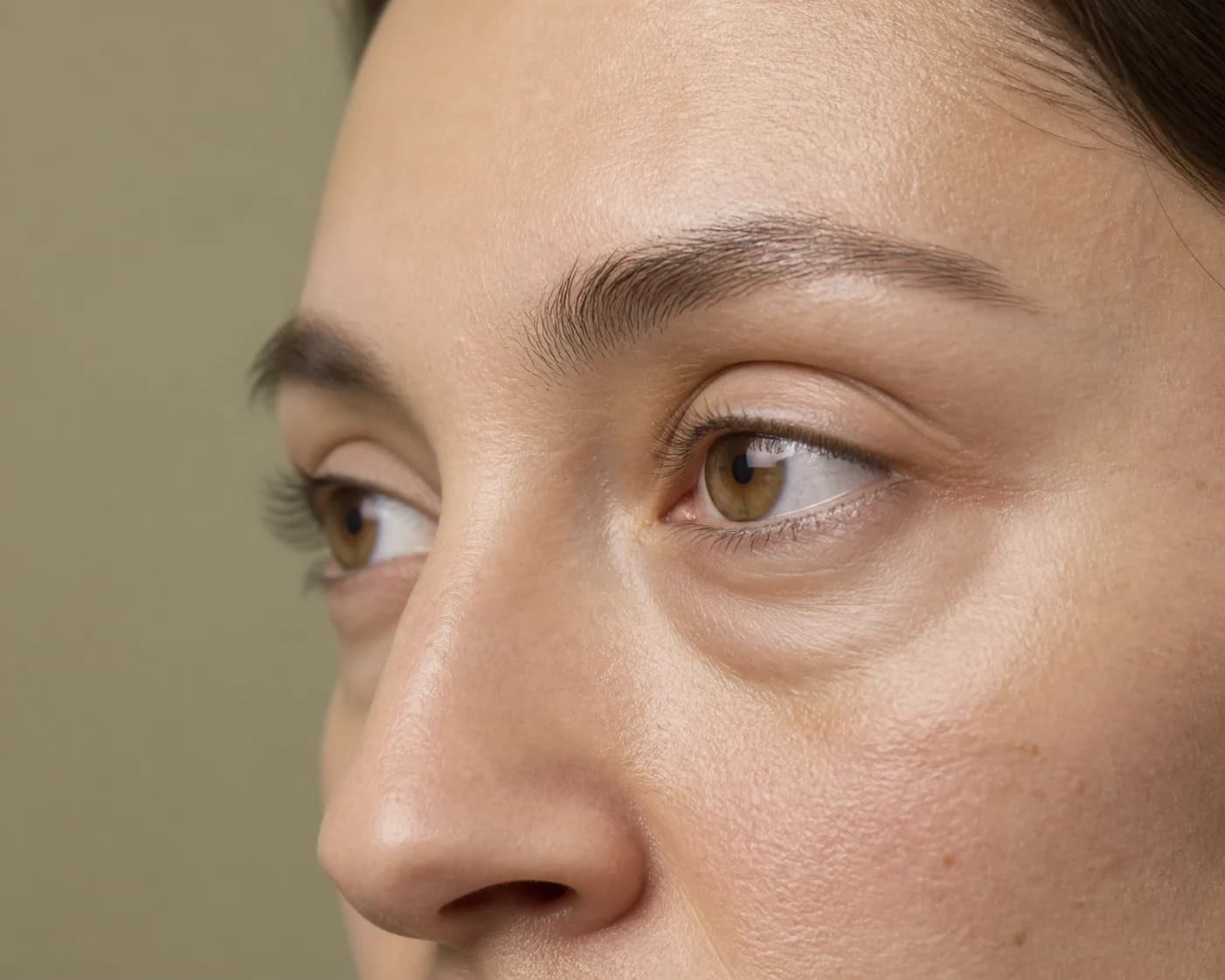
Bags describe outward fullness; a hollow describes a more recessed, linear transition. They may lie next to each other, but either can occur without the other. A shadow in a photograph should not automatically be considered a bag.
Some darkness may come from shadows cast by swollen eyelids or under-eye hollows. Dark colour and bags are therefore not the same concept.[2]
Examination considers the area from the front and from different angles. A shadow that changes with lighting and gaze direction does not, by itself, indicate which tissue should be addressed.
Why Does Under-eye Appearance Differ Between Individuals?
The anatomy around the eyes differs from person to person. The bony structure of the eye socket, lower eyelid shape, skin thickness, soft-tissue distribution and upper cheek contour determine the initial appearance. The lower eyelid and under-eye area are therefore not expected to look the same in two people of the same age.
Two people of the same age are not expected to have the same amount of under-eye bags. Skin may be more noticeable in one, and fullness or hollows in the other. Another person's age, photograph or surgical experience is not a measure for choosing an individual procedure.
Can Genetic and Daily Factors Affect Under-eye Appearance?
Under-eye bags can run in families. Lack of sleep, allergies, smoking and fluid retention may increase their appearance; puffiness may be particularly noticeable on waking or after a salty meal.[1]
It is important to distinguish daily fluctuations from persistent fullness. Improving sleep habits should not be assumed to eliminate all anatomically related bags.
Under-eye bags are usually harmless. If vision problems, irritation, headache or a skin rash accompany them, consult a healthcare professional; these symptoms should not be treated solely as a cosmetic concern.[1]
How Are Under-eye Bags Assessed?
Assessment discusses when the appearance began, whether it changes during the day and whether other symptoms are present. Previous procedures and general health are also considered. Skin, fullness, hollows and the eyelid–cheek transition are examined separately.
General surgical assessment of the eye area is covered on the Eyelid Surgery page, while the scope of the approach specific to the lower eyelid is covered on the Lower Eyelid Surgery page.
The anatomical assessments of the upper and lower eyelids are different. The article Differences Between Upper and Lower Eyelid Surgery provides further context for the features through which these two areas are considered separately. These links do not replace individual assessment or a decision about surgical suitability.
Under-eye appearance does not directly establish a need for surgery. First, the most prominent component and any other cause requiring medical assessment need to be understood.
Under-eye bags are assessed through the appearance jointly formed by the skin, soft tissues and eyelid–cheek transition.
Sources
- Mayo Clinic. Bags under eyes — Symptoms and causes
Accessed on 16 October 2026. Tissue support, fat and fluid accumulation; heredity, daily factors and symptoms requiring medical assessment.
- Mayo Clinic. Dark circles under eyes — Causes
Accessed on 16 October 2026. The distinction between dark colour and shadows caused by swelling or hollows.
This content provides general information and does not replace individual medical assessment.