EYELID SURGERY
Differences Between Upper and Lower Eyelid Surgery
Although the upper and lower eyelids are parts of the same eye area, their anatomical structures and relationships with surrounding tissues differ. Surgical assessment and planning are therefore carried out separately for each region.
By Mehti Şalvız
Published:
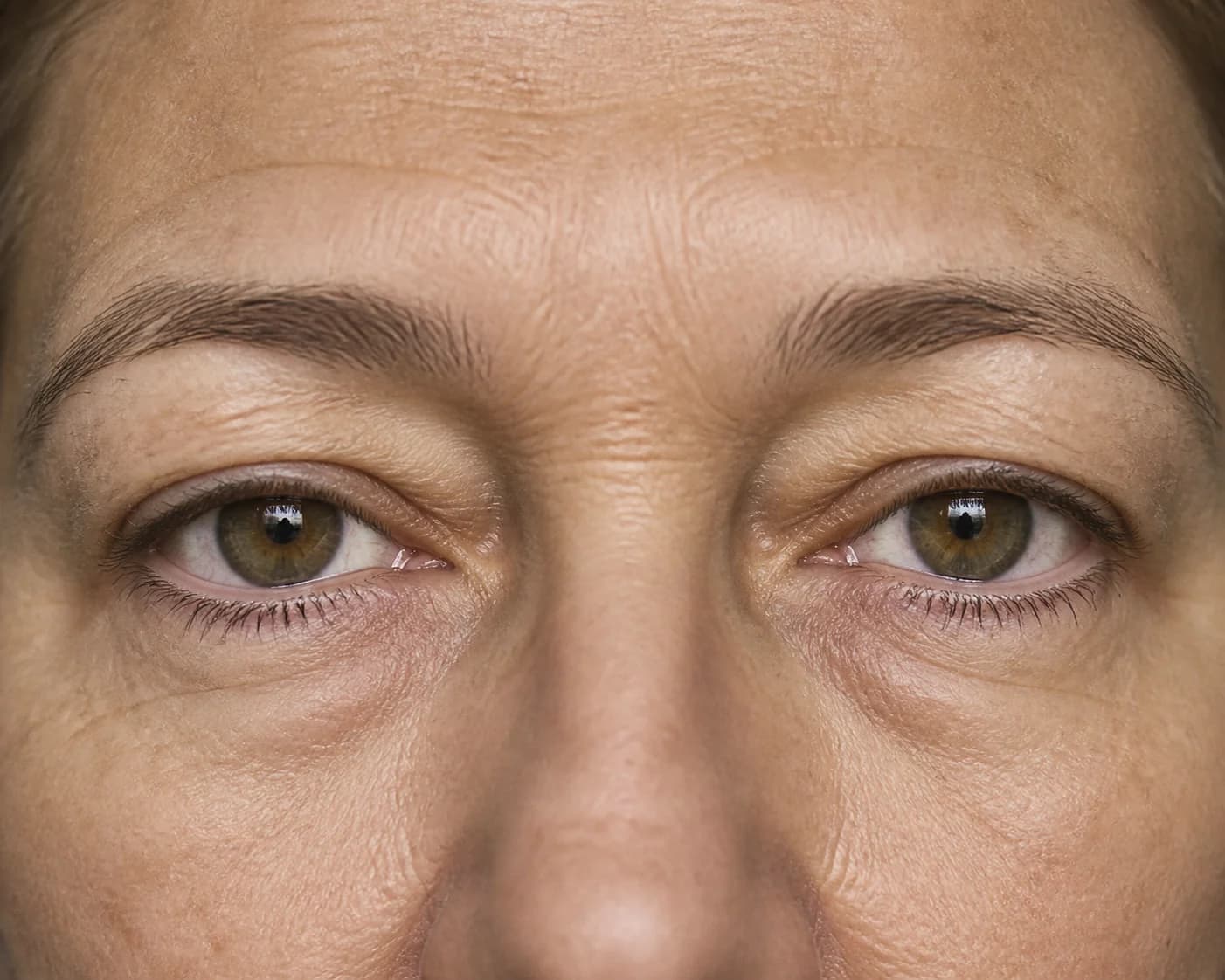
Upper eyelid surgery assesses skin folds, the eyelid crease and sometimes fullness related to fatty tissue. In the lower eyelid, excess skin, bags and the transition from beneath the eye into the cheek are prominent considerations. Brow position in the upper eyelid and the need for midface or volume support in the lower eyelid may affect the plan.
Blepharoplasty is the general name for eyelid surgery. Although upper and lower eyelid procedures come under this heading, they are not the same operation. Assessing them together does not mean that both must undergo surgery.
Are Upper and Lower Eyelid Surgery the Same Procedure?
Assoc. Prof. Mehti Şalvız assesses skin folds and sometimes fullness related to fatty tissue in the upper eyelids; he considers brow surgery separately for appearance caused by brow drooping. In the lower eyelids, midface or volume support may be needed alongside attention to excess skin and bags; lower eyelid treatment alone may not be sufficient.
The main differences are summarised in the table below. This comparison is not an individual surgical plan or a prediction of procedure duration or results.
| Feature | Upper eyelid | Lower eyelid |
|---|---|---|
| Region | The eyelid beneath the brow and the eyelid crease | The lower eyelid and the under-eye–cheek transition |
| Visible change | Skin folds and, sometimes, fullness related to fatty tissue | Excess skin and under-eye bags |
| Surrounding tissues | Brow position and its relationship with the forehead | The need for midface and volume support |
| Combined planning | Alone or together with the lower eyelid, according to need | Alone or together with the upper eyelid, according to need |
Which Structures Are Assessed in the Upper Eyelid?
Upper eyelid assessment first considers how skin folds, the eyelid crease and brow position affect appearance. Hooding of the upper eyelid does not mean that excess skin alone is responsible.
Assessment of the eyelid's own structure is explained on the Upper Eyelid Surgery page. Brow position is a separate part of this examination.
Upper Eyelid Skin and the Eyelid Crease
Upper eyelid skin folds as the eye opens and closes. Skin folding and how clearly the eyelid crease can be seen are examined together. A less visible crease does not, by itself, identify which tissue should be addressed.
Relationship with Brow Position
When the brow sits lower, the upper eyelid may appear more hooded. The positions of the inner, middle and outer brow are therefore also assessed. Brow drooping and excess eyelid skin are not the same condition; a procedure for one is not automatically a substitute for treating the other.
Which Structures Are Assessed in the Lower Eyelid?
Alongside excess skin, lower eyelid assessment examines the location of bags, the under-eye hollow and the transition into the upper cheek. Fullness, shadow and colour changes that look similar externally may not have the same cause.
The scope of surgical assessment for this area is explained on the Lower Eyelid Surgery page. Treating the lower eyelid alone may not be sufficient for everyone who needs midface or volume support.
Lower Eyelid and Under-eye Soft Tissues
A full area beneath the eye and the hollow immediately below it are separate findings. They may coexist, but not every visible shadow means excess fat. Skin characteristics and soft-tissue distribution are examined together when making this distinction.
The causes of bags and how they differ from temporary swelling are explained in What Causes Under-eye Bags?.
Eyelid–Cheek Transition
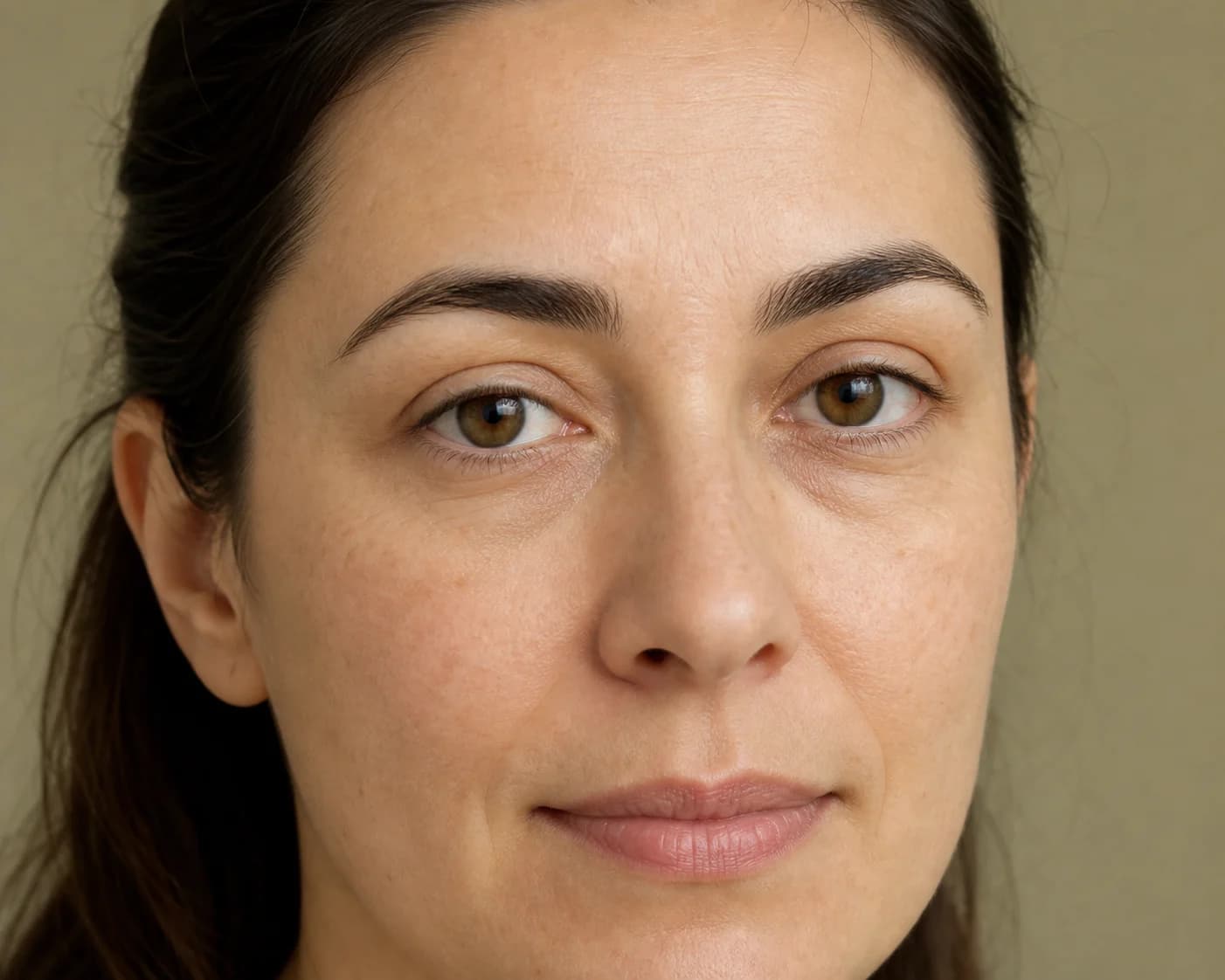
The prominence of the transition between the lower eyelid and upper cheek affects under-eye appearance. This boundary can be noticeable even when bags are limited. Assessment therefore considers not only the size of the bags but also the contour formed by neighbouring tissues.
Why Are Upper and Lower Eyelid Procedures Planned Differently?
Surgical access and the tissues to be addressed may also differ between upper and lower eyelids. The ASPS general patient information describes an incision in the natural upper eyelid crease. Lower eyelid options include access just below the eyelashes or through the inner eyelid surface; the internal approach does not remove skin.[1]
These general options do not mean that the same technique will be used for everyone or that Mehti Şalvız uses one of them in every patient. Examination distinguishes excess skin, fullness related to fatty tissue and the needs of surrounding areas; this assessment determines the incision and procedural scope.
Why Is the Relationship Between Brow Position and the Upper Eyelid Important?
Distinguishing a low brow from excess upper eyelid skin helps explain which region surgery would address. This distinction is also discussed in The Difference Between Brow Lift and Upper Eyelid Surgery.
Assessment may be incomplete if a brow-related change is attributed only to eyelid skin. The reverse also applies: not every upper eyelid fold is due to brow drooping. The brow and eyelid are examined in the same consultation but considered separate anatomical targets.
Can the Upper and Lower Eyelids Be Assessed Together?
The doctor may consider treating both eyelids in one session when both have a cosmetic need. Swelling may be somewhat greater with combined surgery; the total duration is not calculated from separate eyelid procedure times.
Recovery details and the doctor's current care and follow-up information are provided in Recovery After Eyelid Surgery. The decision to combine procedures is not based solely on total duration; the needs of both eyelids and general health are assessed.
How Is It Determined Which Eyelid Should Be Assessed for Surgery?
During examination, the appearance that concerns you, how long you have noticed it and any previous procedures around the eyes are discussed. Upper eyelid skin and brow position are examined alongside lower eyelid bags and the eyelid–cheek relationship.
The general surgical framework covering the upper and lower eyelids is explained on the Eyelid Surgery page. Assessment specific to each eyelid is available on the relevant treatment pages.
During consultation, you can ask: 'Which structures are being assessed?', 'Is an eyelid procedure alone sufficient?' and 'If combined surgery is being considered, why?' Individual suitability cannot be determined from a comparison table or photograph alone.
The upper and lower eyelids are parts of the same eye area, but their anatomical assessment and relationships with surrounding tissues differ.
Sources
- American Society of Plastic Surgeons. Eyelid Surgery Procedure Steps
Accessed on 16 October 2026. General incision and tissue management options for the upper and lower eyelids; this does not indicate the doctor's individual technique preferences.
This content provides general information and does not replace individual medical assessment.