FACELIFT SURGERY
Endoscopic Deep Plane Facelift
Endoscopic deep plane facelift is the deep plane procedure that Assoc. Prof. Mehti Şalvız considers primarily for upper and midfacial sagging. Deep plane describes the tissue plane, while endoscopic describes visualisation and access. The doctor does not favour this approach when there is substantial excess skin or a need to lift along the neck and jawline.
- Key concept
- Deep anatomical plane
- Assessment
- Facial anatomy and supporting tissues
- Related topic
- Facelift surgery

01 / DEEP PLANE
What is a deep plane facelift?
Deep plane relates to the working area beneath the superficial musculoaponeurotic system, known as the SMAS, in facelift surgery. It describes the level at which tissues are addressed; it does not by itself determine the regions covered, incision locations or visualisation method.[9]
This page describes Assoc. Prof. Mehti Şalvız’s endoscopic deep plane procedure separately from the general deep plane concept. His approach primarily addresses upper and midfacial sagging and folds; it is considered when lower facial and jawline contour loss is limited and substantial skin removal is not required.
In this endoscopic procedure, the doctor gains access through incisions within the hair at the temples. Surgery under general anaesthesia is planned to take approximately two hours, with discharge usually the following day and a check on the third postoperative day. This information does not replace an individual surgical plan; the duration and access required for additional procedures are assessed separately.
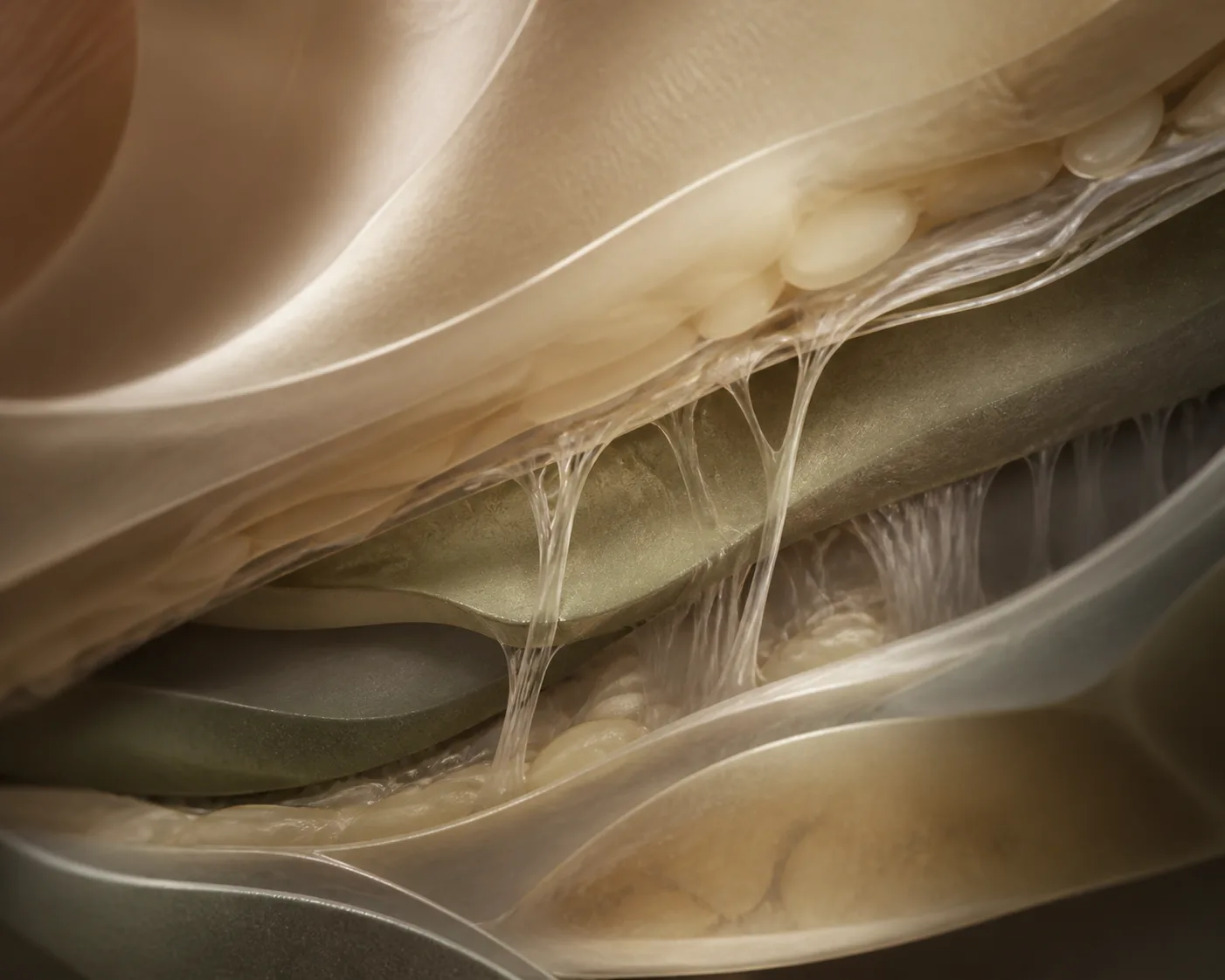
02 / ANATOMICAL PLANE
How do SMAS and deep plane differ?
SMAS is the name of an anatomical structure; several surgical techniques address it. For example, SMAS plication and approaches that mobilise tissues from a deeper plane are not the same procedure. Deep plane techniques also address tissues associated with the SMAS. A comparison should therefore specify which SMAS technique and which deep plane variant are being discussed, rather than simply asking “SMAS or deep plane?”[7]

03 / FACIAL ANATOMY
Why is facial anatomy important in the deep plane approach?
Publications describing deep plane techniques discuss addressing the retaining ligaments that connect facial tissues to deeper structures and repositioning soft tissues together. The position of tissues in the cheeks and jawline is therefore considered as a more detailed surgical target than the appearance of the skin surface alone. The ligaments and regions treated must be defined separately for the variant used.[8]
SMAS
The SMAS is the superficial musculoaponeurotic system of the face. Its relationship to the soft tissues beneath the skin is one of the main references for explaining the anatomical levels of facelift approaches.
Facial retaining ligaments
Retaining ligaments attach facial tissues to deeper structures. Their location and relationships with adjacent layers influence tissue position and movement.
Soft tissue layers
The skin, subcutaneous fat and muscle–connective tissue layers together form the three-dimensional structure of the face. Their thickness and relationships vary by anatomical region.
Anatomy related to facial nerves
The anatomical course of the facial nerves is a fundamental reference in surgical planning. The relationship of the deep plane to surrounding nerves is considered as part of surgical anatomy.
04 / ENDOSCOPIC APPROACH
What does an endoscopic approach mean?
An endoscope is an optical instrument used to view the surgical area. “Endoscopic” describes visualisation and access, while “deep plane” describes the tissue plane. Their combined use has been described in the literature. This terminology does not mean that every stage is performed with an endoscope or that no incisions are required.[9]
A published description of a procedure does not mean that every surgeon uses the same method.[9]

05 / DIFFERENCES BETWEEN APPROACHES
How does deep plane differ from other facelift approaches?
Current comparisons are insufficient to show that deep plane is safer, longer-lasting or associated with faster recovery for every patient.[10][11]
General facelift approaches
Studies use different SMAS techniques, patient groups and outcome measures. Limited direct comparisons and short follow-up in some studies make it difficult to establish an overall ranking of superiority.[10][11]
Deep plane approach
An absence of short-term differences is not proof of long-term equivalence either.[11]
The general framework of different approaches is discussed on the Facelift Surgery page.
06 / AREAS ASSESSED
Which areas can a deep plane facelift address?
It is important to distinguish whether the surgical target is cheek tissue position, sagging along the jawline or laxity in the neck. Surface lines and volume loss are not the same targets as downward displacement of tissues.[1]
Neck-specific assessment and the surgical scope are explained on the Neck Lift Surgery page.
Midface
The position of central facial soft tissues is examined in continuity with the cheeks and lower face.
Cheeks
The distribution and support of cheek tissues contribute to the three-dimensional structure of the midface.
Lower face and jawline
Lower facial soft tissues relate to the shape and continuity of the jawline.
Face–neck transition
The transition from the jawline to the neck is an anatomical continuation of the lower facial contour.
07 / SURGICAL ASSESSMENT
How is a deep plane facelift assessed and planned?
Who may be considered?
Assessment considers facial changes alongside health, previous procedures and expectations. Choosing the name of a technique does not explain which changes that technique can address.[2]
The doctor does not favour this endoscopic approach when there is substantial excess skin, marked sagging or a need to lift along the neck and jawline. Unrealistic expectations and medical contraindications are assessed separately.
Preoperative assessment
Preparation and the general surgical framework are discussed on the Facelift Surgery page.
Incisions and surgical scope
The deep working plane and the incision plan are separate matters. Facelift surgery has different incision options involving the hairline and around the ear; a general facelift incision description should not be treated as the incision map for a specific endoscopic procedure. When discussing scope, the regions to be treated and incision locations should be explained together. Using endoscopic visualisation does not mean that scars will disappear completely.[3][6]
The doctor operates in an operating theatre under general anaesthesia; the procedure takes approximately two hours and discharge is usually planned for the following day. Access is through incisions within the hair at the temples, and absorbable sutures are used. These duration and hospital-stay details relate to the endoscopic procedure described here.
The doctor states that he frequently considers this procedure alongside brow lift and eyelid surgery. When a brow lift is added to his endoscopic facelift procedure, the existing incisions are sufficient; no additional forehead incision is needed for that purpose. Access and timing for combined procedures are planned separately.
- Anatomical assessment
- Surgical planning
- Procedure
- Follow-up
RISKS AND LIMITATIONS
Risks and limitations
The name deep plane does not eliminate facelift risks such as bleeding, infection, wound-healing problems, scarring, sensory changes and nerve problems that may affect facial movement. Individual risks are discussed alongside the scope of the procedure and anaesthetic assessment. This general explanation does not replace an individual consent discussion.[4][10]
08 / RECOVERY AND PROCESS
After deep plane facelift surgery
Recovery process
General aspects of healing are discussed in the Recovery After Facelift Surgery guide. Individual instructions from the surgical team are needed for incision care, dressing or drain monitoring and returning to activities.[5]
In this endoscopic procedure, a dressing is used for the first two days. Mild pain and nausea may occur on the first day, with swelling and bruising, particularly around the eyes, during early recovery. The doctor anticipates approximately one week for a return to general daily life; this does not constitute separate clearance for exercise, driving or makeup.
The doctor specifies a check on the third postoperative day. Further details of the follow-up plan are clarified separately with the surgical team.
Duration of results
A facelift does not stop ageing; results cannot be promised to remain unchanged for life.[1]
The doctor states that the appearance becomes easier to assess at approximately one month after this endoscopic procedure, and that he waits approximately six months to assess the final appearance. This is not a single measure of recovery or durability for all deep plane variants.
Endoscopic deep plane facelift: a case study
Surgical approach, patient selection and follow-up images, with video and a written explanation.
Explore Mehti Şalvız’s case explanation — 5 min 46 sec09 / FREQUENTLY ASKED QUESTIONS
Frequently asked questions about deep plane facelift
What is a deep plane facelift?
Deep plane facelift is one approach in which surgical work is planned at a deeper anatomical level. The term describes the working level rather than how tightly the skin is pulled; facial anatomy determines the scope.
What is the difference between deep plane and traditional facelift?
The methods differ in their anatomical working plane and how supporting tissues are addressed. Deep plane describes a deeper working level; this does not make the technique superior for everyone.
What does endoscopic deep plane mean?
Deep plane describes the surgical working plane, while endoscopic describes the visualisation and access method. They are not the same concept but can be used together in one surgical plan.
Who may be considered for deep plane facelift?
Deep plane can encompass different surgical scopes. The doctor’s endoscopic procedure described here is considered when upper and midfacial findings predominate without marked sagging of the jawline or neck, or excess skin requiring removal. Suitability is determined through examination.
Does a deep plane facelift include the neck?
The lower face, jawline and neck are anatomically related regions and may be examined together. Whether the neck is included in surgery depends on examination findings.
Is recovery after deep plane facelift the same for everyone?
No. The scope of surgery in the deep plane and the biological tissue response affect recovery. Early facial oedema, swelling or bruising and tissue adaptation are monitored at follow-up checks.
Does deep plane facelift surgery leave scars?
Endoscopic facelift surgery also involves incisions. The doctor describes access within the hair at the temples; that location does not guarantee an absence of scars. Incision and scar follow-up is guided by the individual surgical plan.
Are deep plane facelift results permanent?
A deep plane facelift does not stop ageing. The appearance of results over time relates to anatomy, genetics, tissue characteristics, lifestyle and the surgical plan; a specific duration cannot be given.
Sources
These sources provide general information; they are not evidence of an individual procedure or outcome.
- American Society of Plastic Surgeons. Facelift Surgery
- American Society of Plastic Surgeons. Facelift Consultation
- American Society of Plastic Surgeons. Facelift Procedure Steps
- American Society of Plastic Surgeons. Facelift Risks and Safety
- American Society of Plastic Surgeons. Facelift Recovery
- NHS. Facelift (rhytidectomy) — 2023 (last reviewed)
- Hatan Mortada et al.. Evolution of Superficial Muscular Aponeurotic System Facelift Techniques: A Comprehensive Systematic Review of Complications and Outcomes — 2023 (online publication); 2024 (issue)
- Andrew Jacono; Lucas M. Bryant. Extended Deep Plane Facelift: Incorporating Facial Retaining Ligament Release and Composite Flap Shifts to Maximize Midface, Jawline and Neck Rejuvenation — 2018
The publication’s abstract was used for the explanation on this page.
- Mirza Firat. Endoscopic Deep Plane Facelift: A Classified Approach — 2025
- Sushanth Vayalapra et al.. Comparing the Safety and Efficacy of Superficial Musculoaponeurotic System and Deep Plane Facelift Techniques: A Systematic Review and Meta-analysis — 2025
The publication’s abstract was used for the explanation on this page.
- Omar Fouda Neel et al.. Deep Plane Versus SMAS Plication Facelift: A Prospective Cohort Study of Clinical Outcomes and Complication Rates — 2026
The publication’s abstract was used for the explanation on this page.
Contact
Contact the clinic for current appointment and consultation information.
Contact details