SURGERY AROUND THE EYES
Lower Eyelid Surgery
Lower eyelid surgery addresses age-related anatomical changes in the lower eyelids and under-eye area. Planning examines eyelid skin, under-eye soft tissues and the eyelid–cheek transition together.
- Region
- Lower eyelid
- Assessment
- Lower eyelid and under-eye anatomy
- Related area
- Under-eye and midface transition
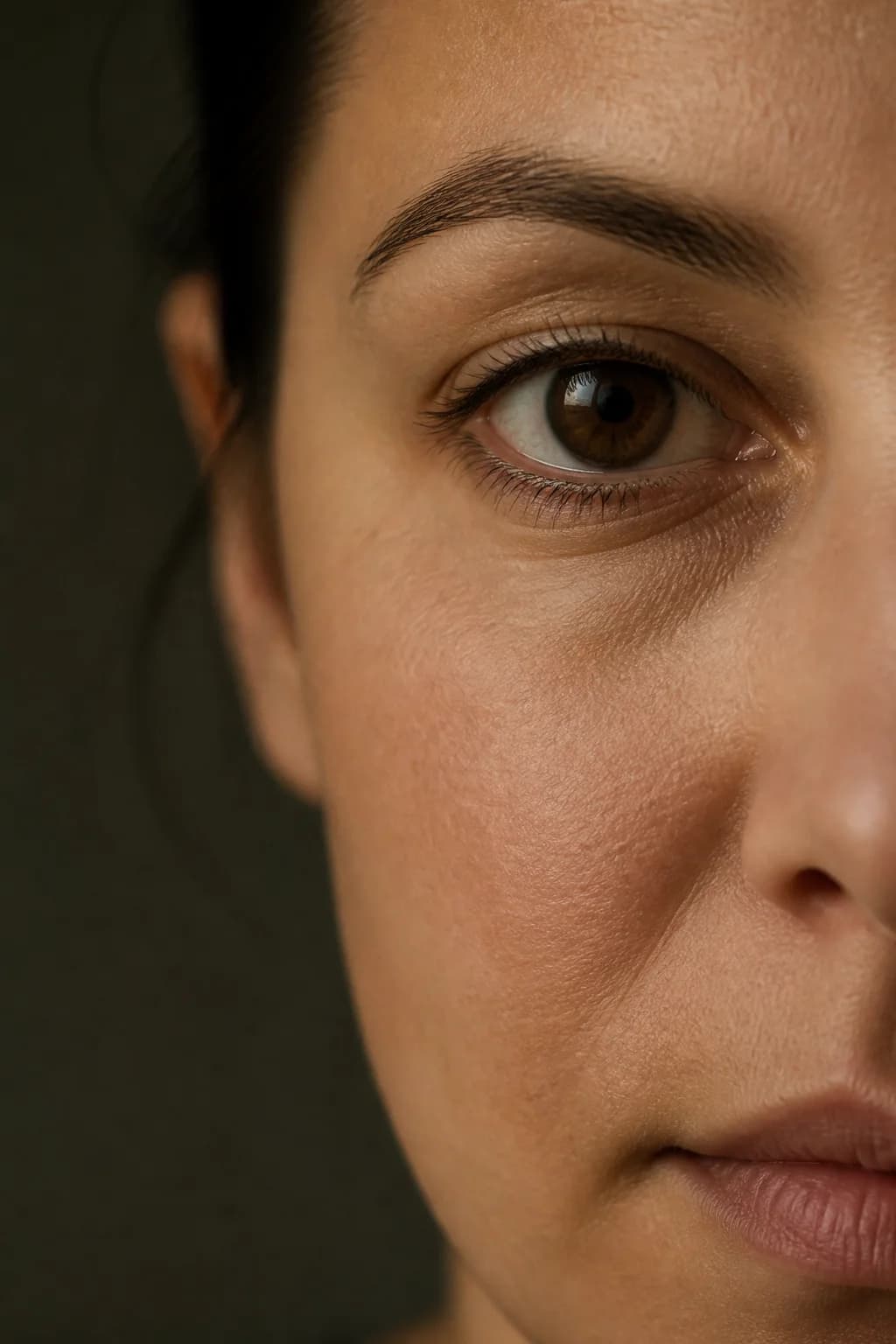
01 / LOWER EYELIDS
What Is Lower Eyelid Surgery?
Lower eyelid surgery, or lower blepharoplasty, surgically addresses age-related anatomical changes in the lower eyelids and under-eye area. Planning begins with understanding the individual's lower eyelid anatomy.
Eyelid skin, under-eye soft tissues and the eyelid–cheek transition together shape the appearance. Existing differences between the two sides and the under-eye contour are examined from different angles.
Assoc. Prof. Mehti Şalvız assesses excess skin, sagging or lines and bags in the lower eyelids. Because lower eyelid concerns vary, he also examines whether the appearance is confined to the eyelid.
02 / AGEING OF THE LOWER EYELIDS
What Changes Can Develop in the Lower Eyelids and Under-eye Area?
Over time, lower eyelid skin characteristics, soft-tissue position and the under-eye–cheek transition may change. The distribution may differ between the two sides.
Bags, skin changes and the eyelid–midface transition are different anatomical findings. The under-eye contour reflects the combined appearance of these tissues.
The eye area's natural characteristics are distinguished from changes that develop later to determine which layers are to be addressed in the surgical plan.
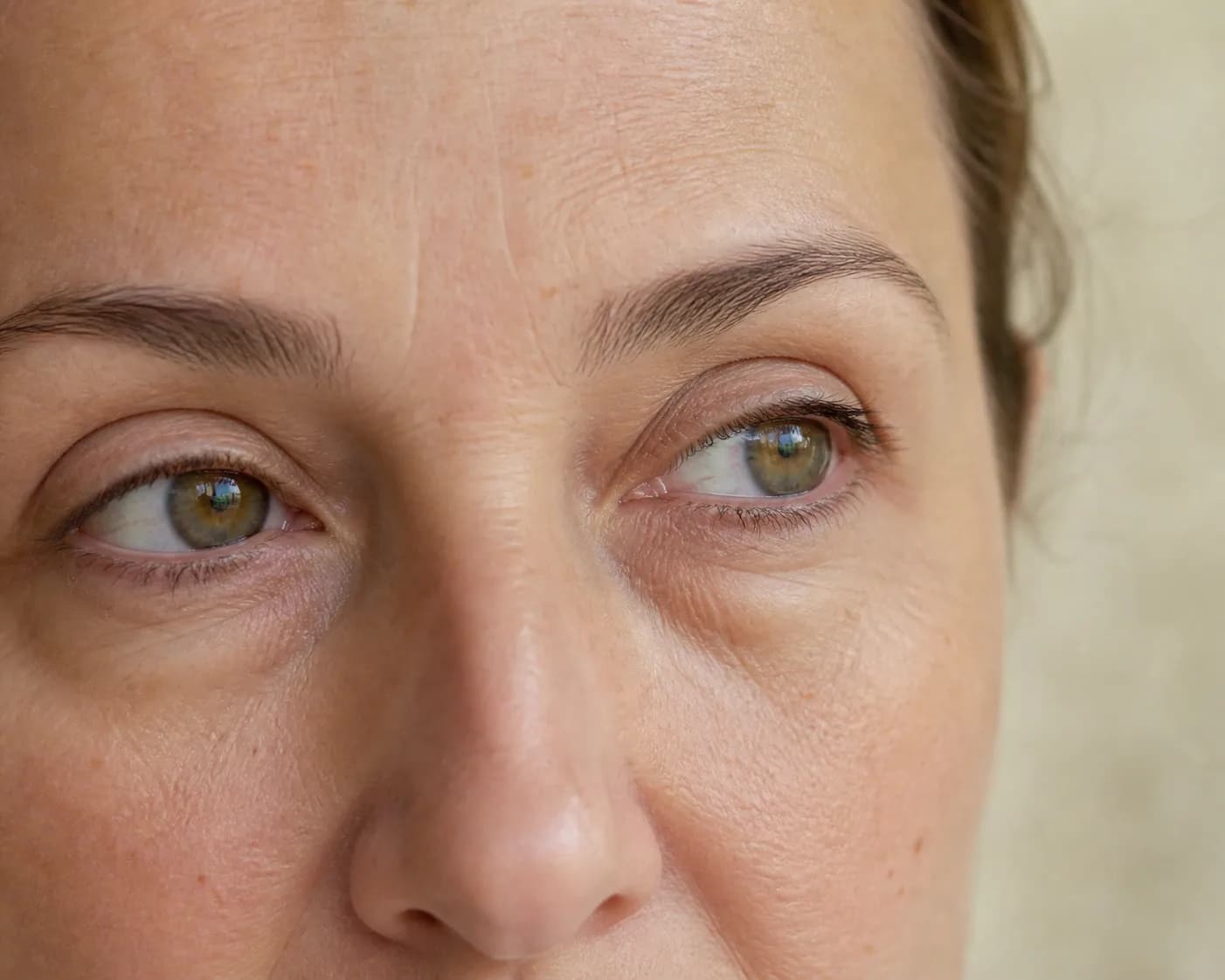
Lower Eyelid Skin
The skin's current characteristics and distribution across the lower eyelid are assessed.
Under-eye Soft Tissues
The position of tissues beneath the eye and their relationships with each other are examined.
Eyelid–Cheek Transition
The anatomical continuity between the lower eyelid and upper cheek is considered.
Under-eye Contour
The area's appearance is assessed in relation to light, shadow and tissues.
03 / UNDER-EYE AREA
Under-eye Bags and Lower Eyelid Anatomy
Bags, hollows and the eyelid–cheek transition describe different contour features around the lower eyelid. Under-eye bags is an everyday expression for an appearance in which the lower eyelid area projects or seems fuller than its surroundings; it is not the name of a single anatomical structure and should not automatically be equated with temporary puffiness.
An under-eye hollow is a contour in the inner part of the lower eyelid or at the eyelid–cheek boundary that appears recessed, linear or shadowed. Bags and hollows may be present together in the same person or occur independently.
The eyelid–cheek transition is the contour relationship between the lower eyelid and upper cheek. This area shows how bags and hollows are perceived within the surrounding surfaces and why lower eyelid appearance cannot be explained by eyelid tissues alone. The topic is discussed in What Causes Under-eye Bags?, including causes and the distinction from temporary puffiness.
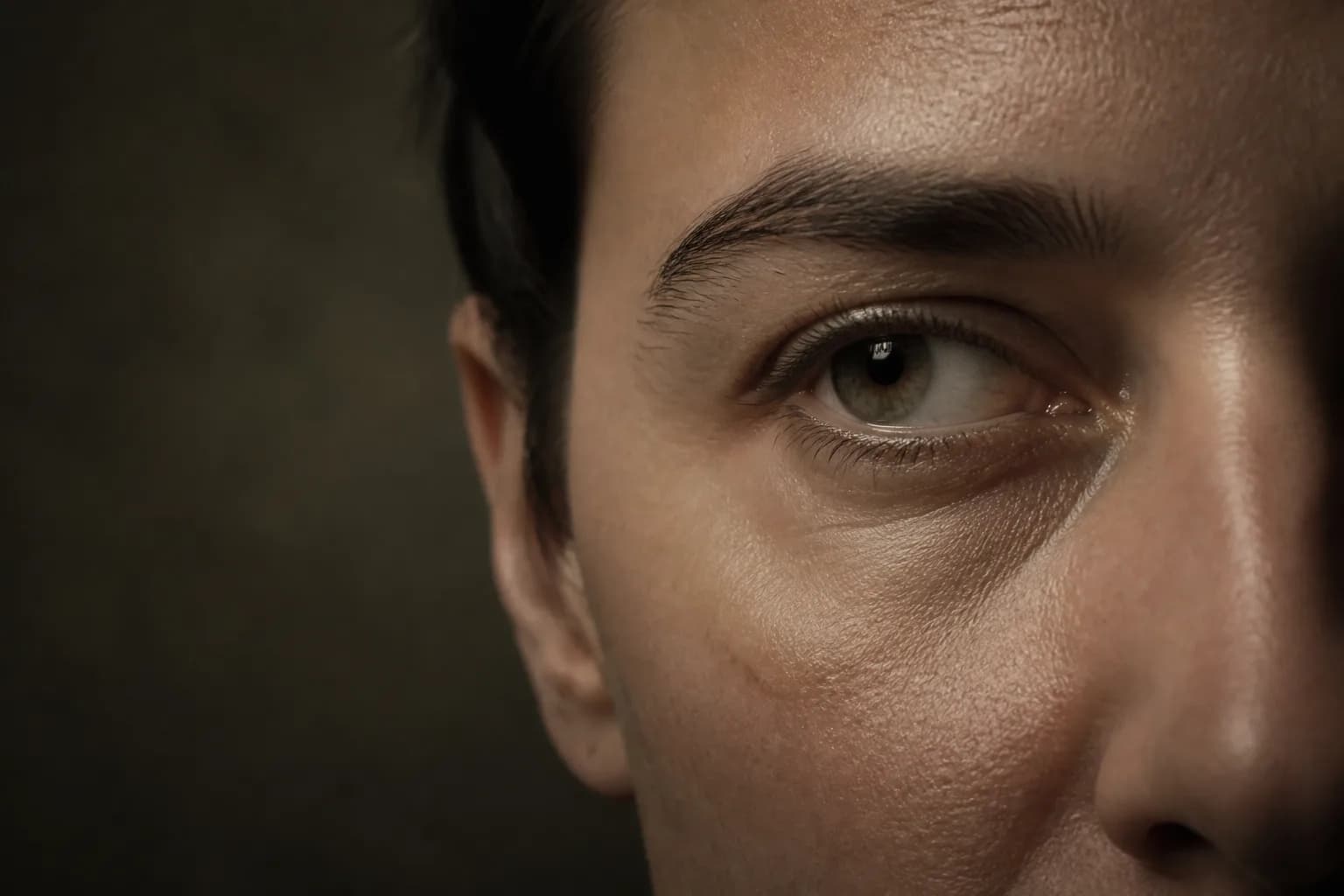
04 / SURGICAL ASSESSMENT
How Is Lower Eyelid Surgery Assessed?
The lower eyelid is not examined solely in terms of a 'bagged' appearance. Eyelid skin, lower eyelid contour, under-eye soft tissues and the transition into the upper cheek are considered within the same assessment. Whether bags and hollows coexist in the same area helps explain the relationships underlying the visible contour.
The lower eyelid has different anatomical characteristics and relationships with surrounding tissues from the upper eyelid. Lower eyelid position, differences between the two sides, previous procedures around the eyes and general health information are examined alongside clinical findings; the surgical plan is not reduced to a single photograph or visual finding.
In the doctor's assessment, some lower eyelid concerns may require broader options such as midface surgery or fat transfer. A concern appearing beneath the eye does not mean that lower eyelid surgery alone will be sufficient. Medical factors and unrealistic expectations also limit the plan.
Lower Eyelid Skin
Under-eye Soft Tissues
Eyelid–Cheek Transition
Lower Eyelid Position
Previous procedures
General health
05 / UPPER AND LOWER EYELIDS
The Difference Between Upper and Lower Eyelid Surgery
The upper and lower eyelids are neighbouring but anatomically different structures. Skin, the eyelid crease and the brow relationship are prominent in the upper eyelid; skin, under-eye soft tissues and the eyelid–cheek transition are prominent in the lower eyelid.
The plan may include only the upper eyelids, only the lower eyelids or both areas. The detailed anatomical framework for the upper eyelid is explained on its own page.
Upper Eyelid
Upper eyelid skin, the eyelid crease and the relationship with brow position are assessed within their own anatomical framework.
Lower Eyelid
Lower eyelid skin, under-eye soft tissues and the eyelid–cheek transition form the assessment framework for this area.
06 / SURGICAL PROCESS
Before Lower Eyelid Surgery and the Surgical Process
Preoperative assessment
Before surgery, general health, medication use, existing conditions around the eyes, previous procedures and expectations are considered. Lower eyelid skin, soft tissues, the eyelid–cheek transition and differences between the two sides shape the surgical scope.
Preparation for lower eyelid surgery is arranged according to health information and the agreed tissue plan. The doctor's individual instructions guide medication use and other matters before surgery.
Surgical process
The surgical scope is planned according to the relationships between the prominent structures in the lower eyelid. Clinical examination determines the approach and tissues to be addressed.
For the lower eyelid, the doctor considers local or general anaesthesia. Approximately one hour or less and discharge on the same day form the general procedure framework he describes; the total duration of a broader or combined plan is determined separately.
An office or operating theatre is described as a possible setting. The selected anaesthesia and procedure setting are clarified together in the individual surgical plan.
Lower eyelid incisions may be made through the skin or from inside the eyelid. In the doctor's description, the external incision lies approximately 2–3 mm below the eyelashes; internal access is called transconjunctival access.
The doctor usually uses non-absorbable sutures and removes them approximately one week after surgery. He states that he does not apply a bandage.
- Assessment
- Planning
- Procedure
- Follow-up
07 / RECOVERY AND FOLLOW-UP
After Lower Eyelid Surgery
Recovery process
Swelling, oedema or bruising may occur around the eyes early on; the two sides may not look the same at every stage. Tissue healing and adaptation to surrounding structures are assessed throughout follow-up.
The doctor anticipates approximately 5–7 days for a return to general daily life. Follow-up appointments are planned at one week, one month and six months. This timeframe does not automatically permit exercise, contact lens use, make-up or driving; each activity is assessed according to individual follow-up findings.
When canthopexy is added to lower eyelid surgery, the doctor notes that the corner of the eye may appear more lifted early on. This observation is not generalised to every patient or to upper eyelid surgery; changes in appearance and eyelid movement are assessed at follow-up.
Contact the surgical team without delay if you develop new difficulty closing your eyes, changes in vision, severe pain or unexpected swelling. Do not assume that these findings will resolve on their own.[1]
Duration of results
Lower eyelid surgery does not stop natural ageing. The anatomical relationship between the lower eyelid and upper cheek continues to change over time.
Anatomy, skin and tissue characteristics, genetic factors, lifestyle habits and the scope of the procedure mean that a definite duration of results cannot be given. Results are assessed through clinical follow-up findings.
The doctor uses approximately one month as a point for assessing appearance and approximately six months for a later assessment of scars. These timeframes do not mean that scars will disappear completely or that the appearance will remain unchanged.
08 / FREQUENTLY ASKED QUESTIONS
Frequently Asked Questions About Lower Eyelid Surgery
What is lower eyelid surgery?
Lower eyelid surgery surgically addresses anatomical changes in the lower eyelids and under-eye area. The plan is based on the relationship between eyelid skin, soft tissues and surrounding structures.
What does lower blepharoplasty mean?
Lower blepharoplasty is the medical name for lower eyelid surgery. Its scope is determined by lower eyelid and under-eye anatomy.
What causes under-eye bags?
Under-eye bags relate to soft-tissue distribution, skin characteristics and the eyelid–cheek transition. The topic is covered in detail in What Causes Under-eye Bags?
What Causes Under-eye Bags?Who may be assessed for lower eyelid surgery?
Changes in the lower eyelids, under-eye soft tissues, skin characteristics and general health are examined together. Suitability is based on examination findings.
Are upper and lower eyelid surgery the same procedure?
No. The anatomy and surgical plan differ between the upper and lower eyelids. The plan may include one or both eyelid regions; the upper eyelid is explained on a separate page.
Is recovery after lower eyelid surgery the same for everyone?
Recovery varies with the individual and the surgical scope. The doctor's approximate timeframe for returning to general daily life is 5–7 days; this does not constitute separate clearance for exercise, contact lenses, make-up or driving. Follow-ups are planned at one week, one month and six months.
Does lower eyelid surgery leave scars?
Lower eyelid surgery involves a surgical incision. The incision is planned according to the technique; scar healing is monitored alongside skin and tissue characteristics.
Are lower eyelid surgery results permanent?
Lower eyelid surgery does not stop natural ageing. Subsequent appearance relates to anatomy, tissue characteristics, genetic factors and lifestyle habits; a definite duration of results cannot be given.
Sources
These sources provide general information; they are not evidence of an individual procedure or outcome.
- NHS. Eyelid surgery
Accessed on 6 September 2026. Used for general information about risks and seeking help.
Contact
Contact the clinic for current appointment and consultation information.
Contact details