UPPER FACIAL SURGERY
Brow Lift Surgery
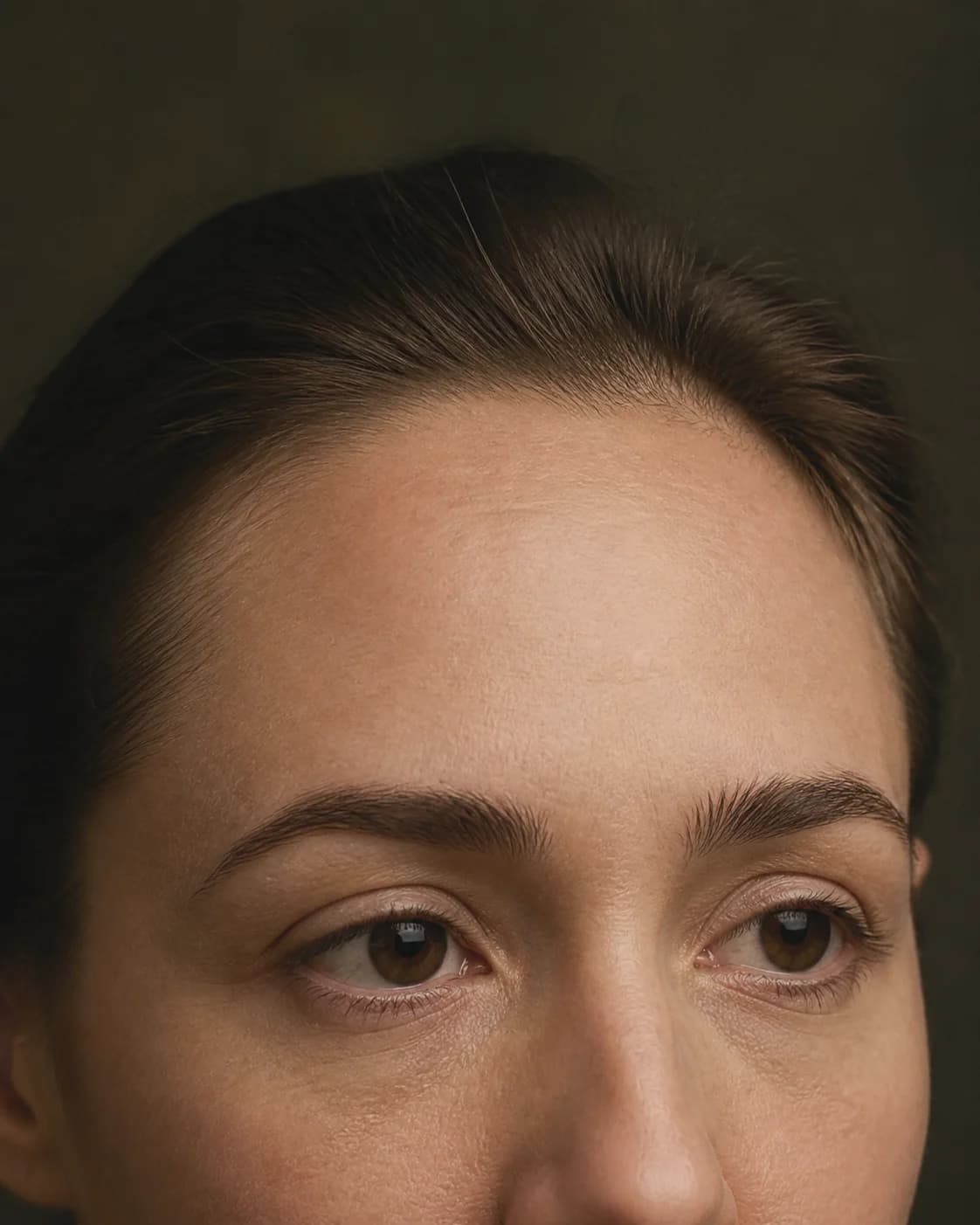
Brow lift surgery addresses brow position and age-related anatomical changes in the forehead and upper face. Planning examines the inner and outer brows, forehead, temples and upper eyelid relationship together.
- Region
- Brows and upper face
- Assessment
- Brow position and forehead anatomy
- Related area
- Upper eyelid
01 / BROW LIFT
What Is Brow Lift Surgery?
Brow lift surgery surgically addresses brow position and anatomical changes in the forehead and upper facial tissues. Assessment examines the brows together with neighbouring upper facial structures.
The brow's position over the bony structure, the soft tissues of the forehead and temples, and the upper eyelid relationship form the appearance of the upper face. The inner and outer parts of the brow may not show the same positional change.
Assoc. Prof. Mehti Şalvız states that he assesses brow drooping, associated tissue accumulation over the upper eyelid, folds at the corner of the eye and brow asymmetry. Forehead and frown lines and the person's expectations about appearance are also discussed; not every expectation is assumed to be achievable through surgery.
02 / BROW POSITION
What Changes Can Develop in Brow Position with Age?
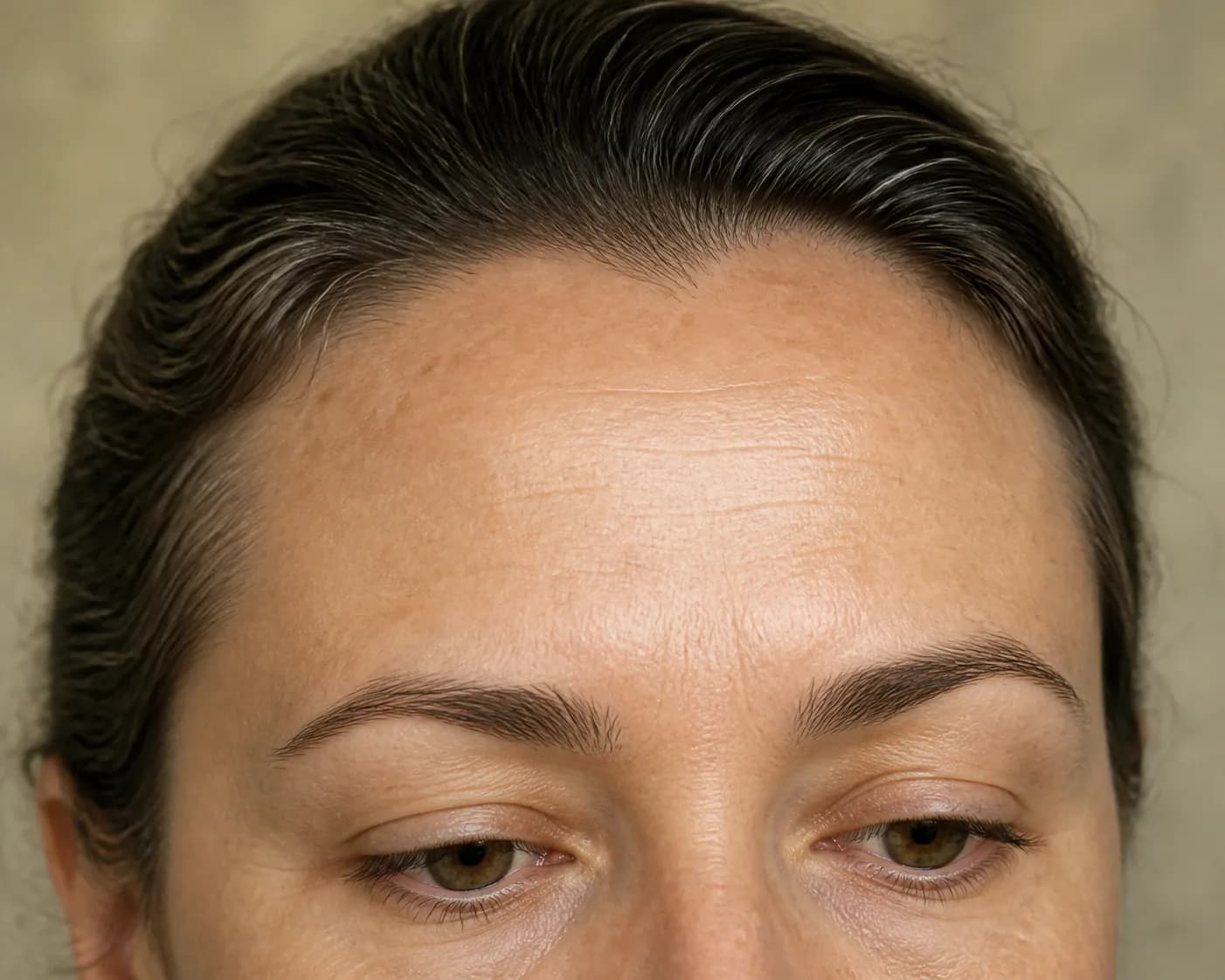
Brow position is not examined solely by looking at the outer tip or the brow's overall height. The brow is considered in relation to surrounding upper facial tissues as an inner part close to the root of the nose, a middle part between the inner and outer sections, and an outer part towards the temple.
The inner brow has a visual relationship with the forehead and inner eye area. The middle brow lies centrally in the overall appearance between the forehead and upper eyelid; looking only at the outer tip without considering this region's position does not explain the entire brow line.
The outer brow relates to the temple and upper eye area. The inner, middle and outer parts are not disconnected targets; in the same person they may not change to the same degree or in the same direction. The brow's overall appearance is interpreted alongside the forehead, temples and upper eyelids.
Medial Brow
The current position of the inner brow near the root of the nose is assessed.
Lateral Brow
The relationship between the outer brow towards the temple and the upper face is examined.
Forehead Tissues
The relationship between the forehead's soft tissues and the brow line is considered.
Temples and Upper Face
The temple region and overall upper facial proportions are included in assessment.
03 / BROWS AND UPPER EYELIDS
The Relationship Between Brow Drooping and the Upper Eyelid
The brow and upper eyelid are different anatomical structures, but they affect each other in the appearance of the upper face. Brow position changes the amount of tissue visible over the eyelid and the openness of the eye area.
A change in brow position and a change in upper eyelid tissues are not the same finding. Both regions are examined together to distinguish which contributes more to the appearance.
The doctor points out that a person may compensate for tissue accumulation over the upper eyelid by raising the brows. Examination considers the brows' resting position and eyelid closure together. Brow lift and upper eyelid surgery are assessed separately or together according to the source of the appearance.
04 / SURGICAL ASSESSMENT
How Is Brow Lift Surgery Assessed?
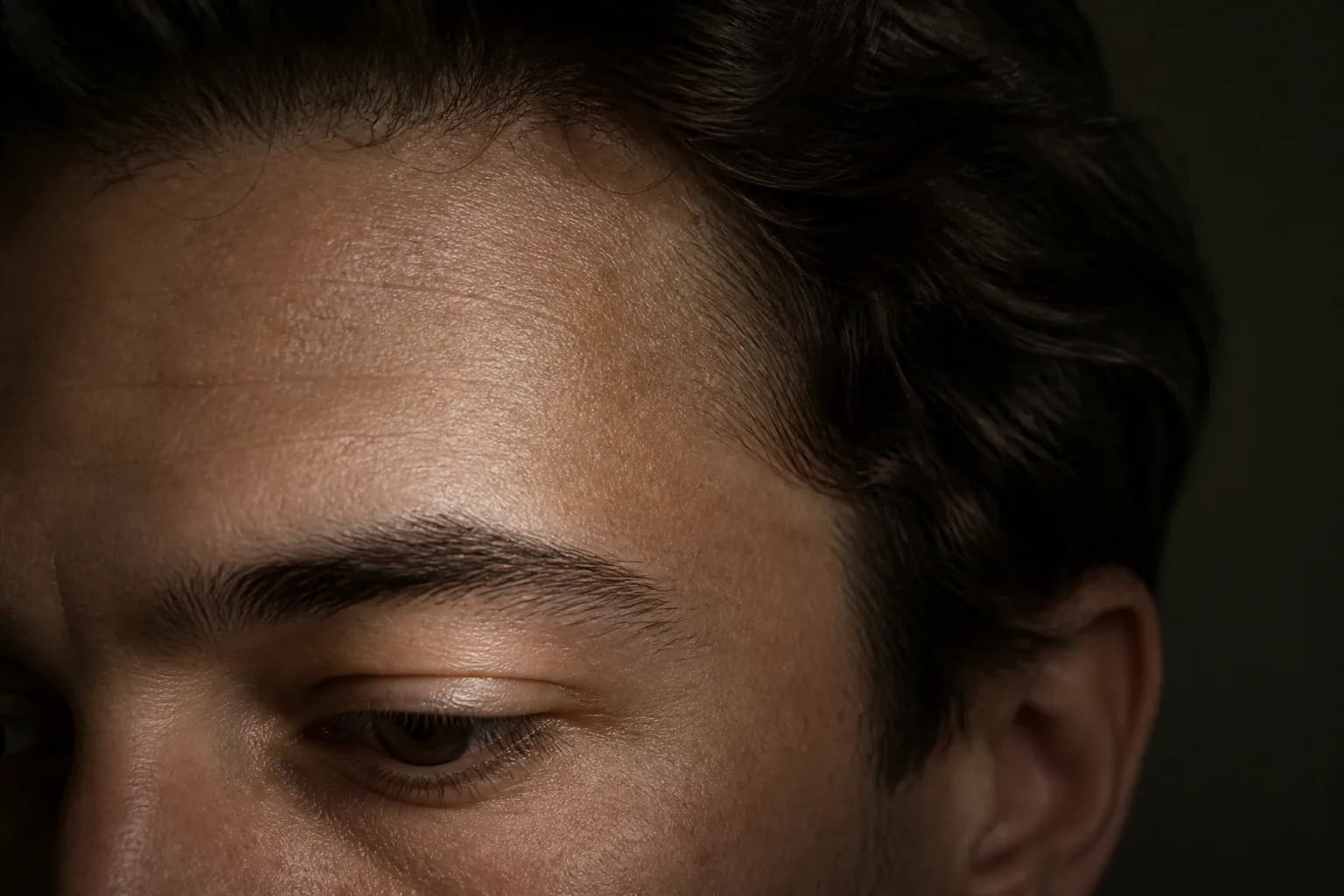
Brow lift assessment does not reduce the brow line to a single line that appears low or high. Because the inner, middle and outer brow may have different patterns of appearance, each is examined in relation to its surroundings. Visual relationships with the forehead and temples, differences between the two sides of the face, and brow appearance at rest and during facial expression are all part of this examination.
The extent to which the visible upper eyelid area relates to brow position is considered separately. Previous procedures, general health information and expectations are added to anatomical findings; the surgical approach is not planned around a single brow point or a fixed target shape.
People who have previously undergone upper eyelid surgery and have difficulty closing their eyes, those with a long, curved forehead, or those concerned about increased forehead height require particular assessment. The doctor notes that these circumstances can make the procedure more difficult; medical factors and unrealistic expectations also limit the plan.
Brow Position
Forehead Area
Lateral Brow
Temple Area
Upper Eyelid Relationship
Previous procedures
05 / SURGICAL APPROACHES
Surgical Approaches to Brow Lift
Brow lift techniques differ in surgical access, anatomical regions addressed and scope. The approach is selected according to brow position, forehead and temple anatomy, the upper eyelid relationship and previous procedures.
Although various access methods are described in brow surgery generally, the doctor always uses an endoscope in his own practice. He states that he releases tissues while viewing the tissues and anatomical structures through the endoscope. Access and process details are explained on the Endoscopic Brow Lift page.
06 / SURGICAL PROCESS
Before Brow Lift Surgery and the Surgical Process
Preoperative assessment
Before surgery, general health, medication use, previous upper facial or eye-area procedures and expectations are considered. The different parts of the brow, forehead and temple tissues, differences between the two sides and the upper eyelid relationship shape the surgical scope.
Preparation for brow lift surgery is arranged according to health information and the scope of the upper facial plan. The doctor's individual instructions guide medication use and other matters before surgery.
Surgical process
The surgical approach is planned according to brow position, forehead and temple anatomy and the relationships between upper facial regions. The areas to be addressed are determined within this scope.
The doctor's endoscopic brow lift procedure takes place in an operating theatre under general anaesthesia and lasts approximately 1–2 hours. He usually plans an overnight stay; same-day discharge is also possible for some patients.
- Assessment
- Planning
- Procedure
- Follow-up
07 / RECOVERY AND FOLLOW-UP
After Brow Lift Surgery
Recovery process
Swelling, oedema or bruising may occur in the forehead and around the eyes early on; the two sides may not look the same at every stage. Tissue healing and adaptation to the upper face are assessed throughout follow-up.
The doctor anticipates approximately one week for returning to general daily life. Activities such as work, exercise and driving are assessed separately according to individual follow-up findings. Care and follow-up details are covered in the endoscopic brow lift recovery guide.
Brow surgery can involve bleeding, infection, wound and scar problems, hair loss, altered sensation or nerve problems affecting facial movement. Do not automatically consider new loss of movement or altered sensation normal; inform the surgical team.[1]
Duration of results
Brow lift surgery does not stop natural ageing. The anatomical relationships between forehead, brow and upper facial tissues continue to change over time.
Anatomy, tissue characteristics, genetic factors, lifestyle habits and the scope of the procedure mean that a definite duration of results cannot be given. Results are assessed through clinical follow-up findings.
08 / FREQUENTLY ASKED QUESTIONS
Frequently Asked Questions About Brow Lift Surgery
What is brow lift surgery?
Brow lift surgery surgically addresses changes in brow position and forehead and upper facial anatomy. The approach is determined by brow position and its relationship with surrounding tissues.
What does brow lift mean?
Brow lift is the English term for surgery to lift the brows. The surgical technique is selected according to upper facial anatomy and the planned scope.
Are brow drooping and upper eyelid sagging the same thing?
No. Changes in brow position differ from changes in upper eyelid tissues. Examination considers the brow line and the eyelid's resting appearance together to determine the surgical scope.
Who may be assessed for brow lift surgery?
Brow position, forehead and temple tissues, the upper eyelid relationship and general health are examined together. Suitability is based on individual examination findings.
What is an endoscopic brow lift?
Endoscopic brow lift is an approach using optical visualisation and access in upper facial surgery. The doctor states that he always uses an endoscope in his own brow lift practice. Details of the technique are explained on a separate page.
Is brow lift surgery the same as cat eye surgery?
No. Brow lift addresses brow and upper facial tissues. 'Cat eye' or 'fox eye' is a different aesthetic concept describing the appearance of the outer eye corner and lateral upper face.
Is recovery after brow lift surgery the same for everyone?
No. The tissues addressed in the brow, forehead and temple areas affect the course of recovery. Early swelling, oedema or bruising in these regions is monitored during follow-up.
Are brow lift surgery results permanent?
Brow lift surgery does not stop natural ageing. Subsequent appearance relates to anatomy, tissue characteristics, genetic factors and lifestyle habits; a definite duration of results cannot be given.
Sources
These sources provide general information; they are not evidence of an individual procedure or outcome.
- American Society of Plastic Surgeons. Brow Lift Risks and Safety
Accessed on 6 September 2026. Used for the general risk framework.
Contact
Contact the clinic for current appointment and consultation information.
Contact details